PRODUCING TWILIT NIGHTPIECES, UNPLEASING PATTERNS, AND STRANGE EXPERIENCES THAT FOLLOW YOU TO BED.
Every now and then, my partner (Gmad) and I (Tax) creatively collaborate on some singular thing, usually a videogame. Since calling the result a “Gmad & Tax” production has a similar air to one of those cartoons where Bugs Bunny fucks around with Daffy Duck, we have decided that we are henceforth the ringleaders of a two-person group named Howling Stars.
Wait, is this a games studio?
For tax purposes, yes! (But for Tax purposes, no — we might make other stuff.)
What kinds of games do you make?
Small, literary horror games that focus on disconcertion and gnawing uncertainty. Ideally, they feel a bit like playable weird fiction: think Thomas Ligotti, Robert Aickman, etc.
(And PHARMAKOS.)
Where can I play them?
Principally on itch.io, with the Steam releases corresponding to how concerned we are about getting a financial return off ’em.
DEVELOPING…
PHARMAKOS
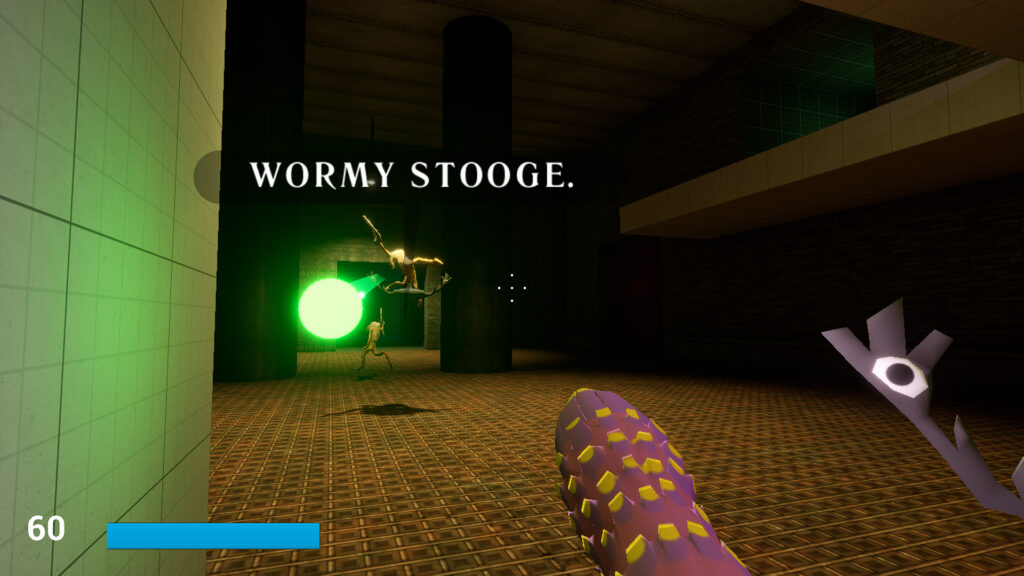
PHARMAKOS is an eccentric world-spirit combining our favourite aspects of games like Metroid Prime, Yume Nikki, and Star Control II. Visit an alien city steeped in shadow, meet unusual things, and start a war with somebody you used to love.
At present, there is no release date for Pharmakos beyond “before 2030.”
RELEASED
CHIAROSCURO IMAGO
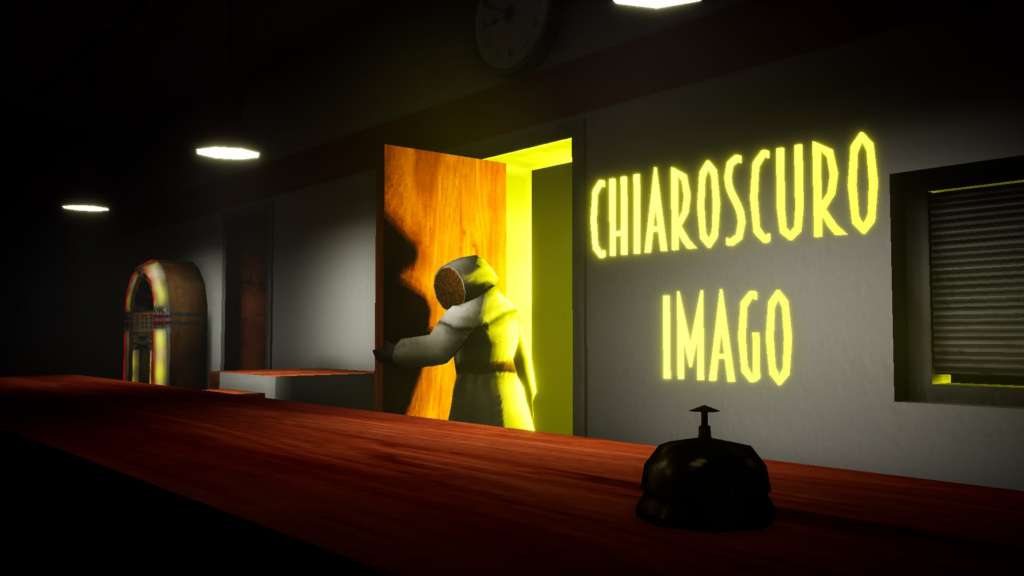
Chiaroscuro Imago is a short nightpiece about honey and lies; entomology and etymology; murky secrets and stark realities. Find out what happened to the moths.
It can be purchased on itch.io.
SHELVED
FEED THE ASTRONAUT
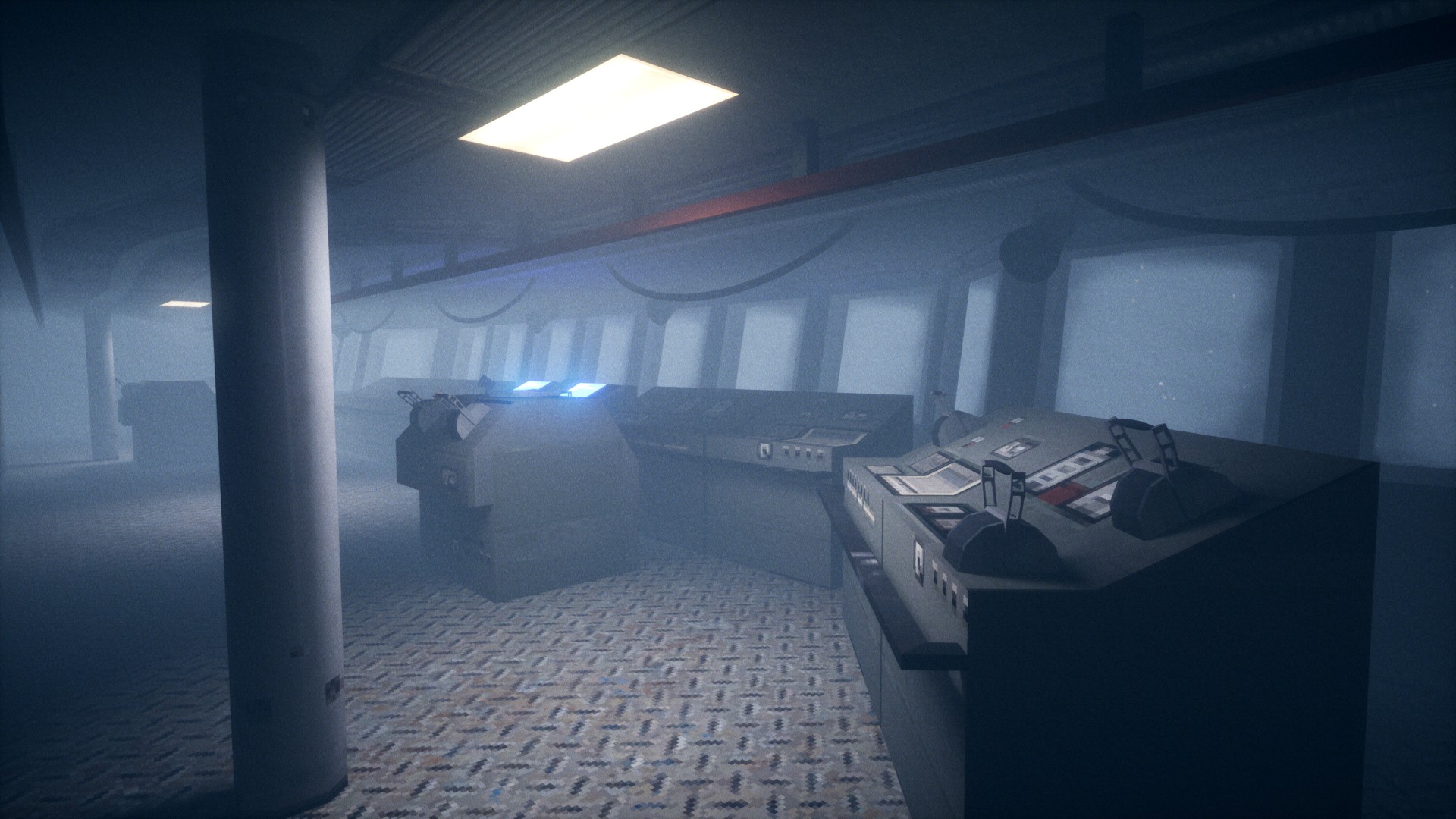
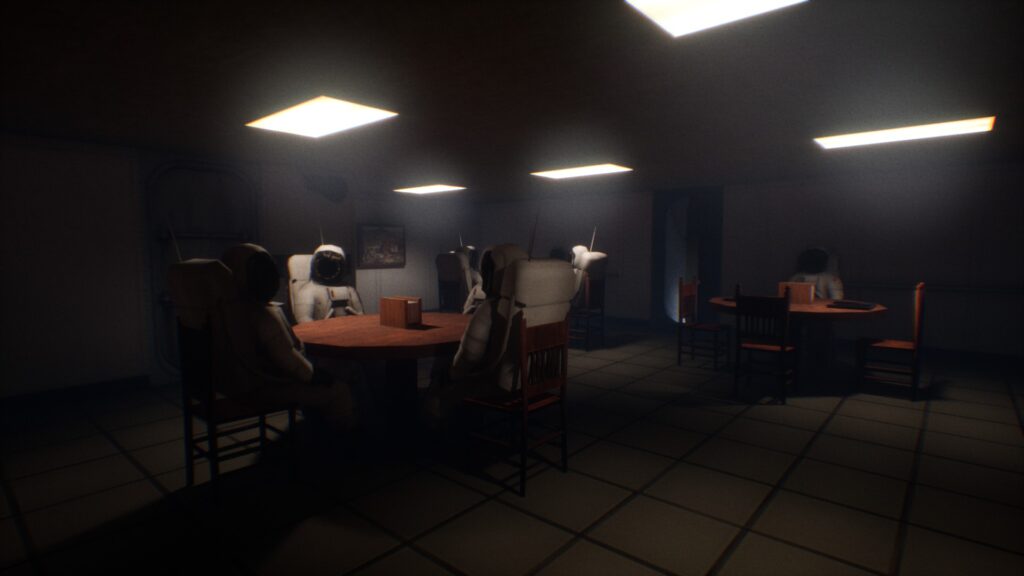
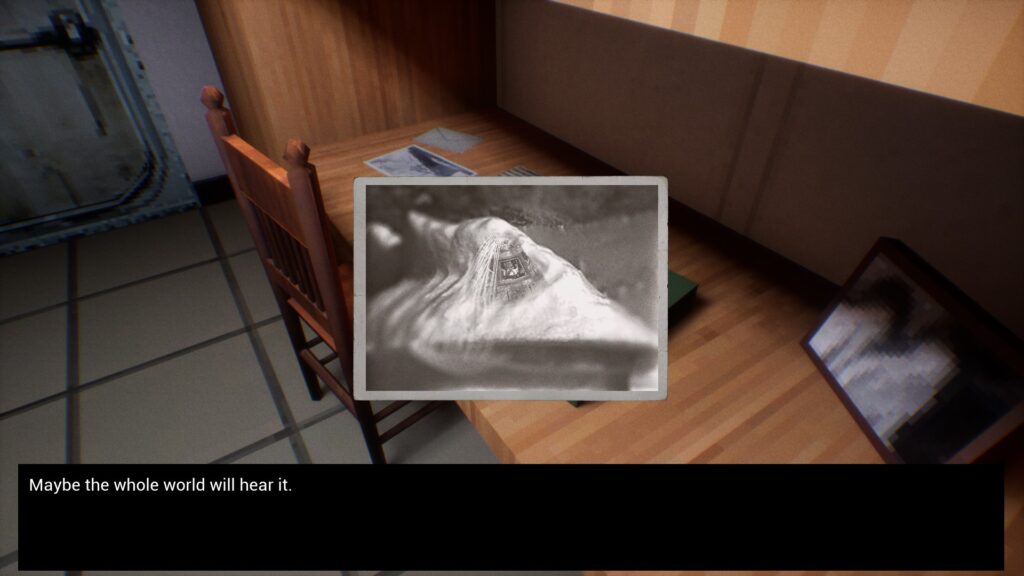
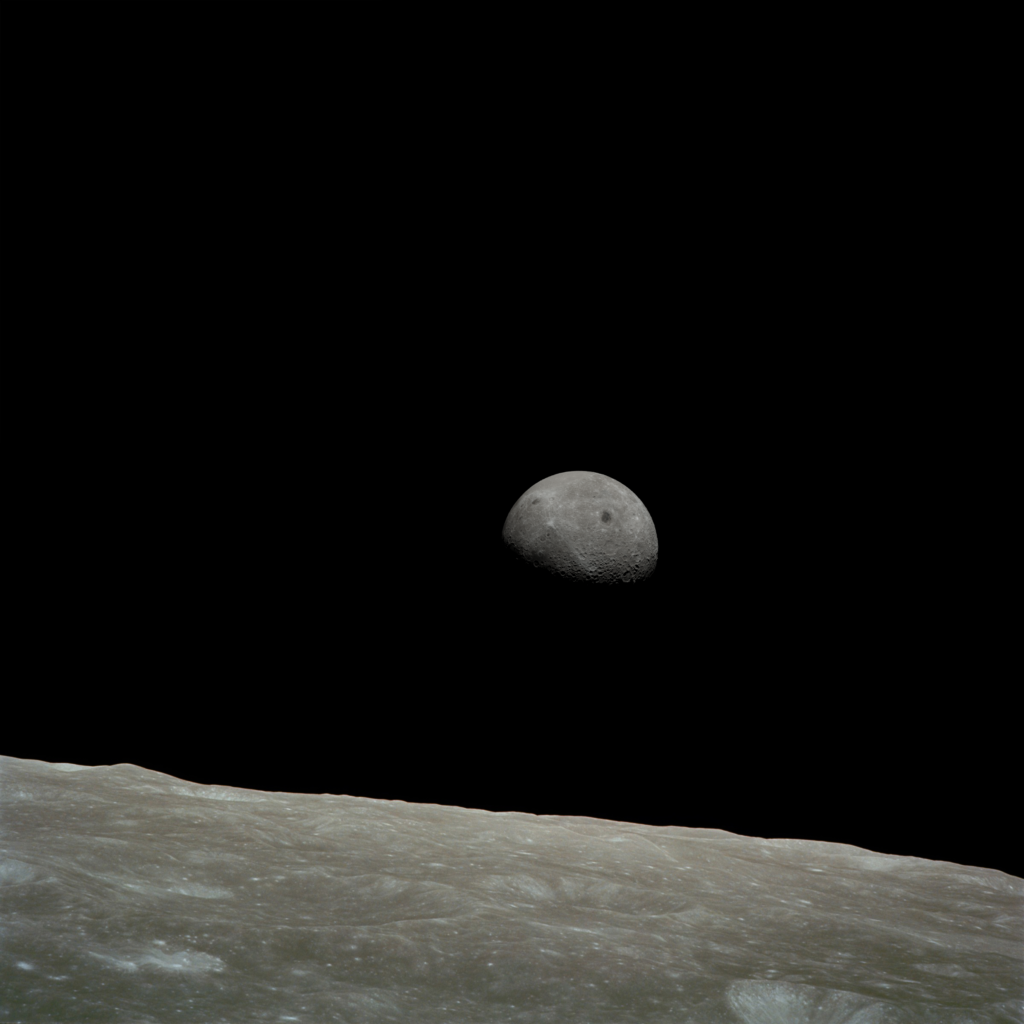
Feed the Astronaut was the first proper game we began creating: a horror-adventure in a world where Apollo 11 never came home. It started as a fairly rote exercise in building spooky environments, trying to puzzle out what elements of “horror” as a ludic experience hadn’t been totally played into the ground. This off the cuff approach had some drawbacks — by the time we felt an interesting vision had materialized, something like half the game had already been made. That vision felt so exciting that everything predating it gradually became unbearable to work around, like mainlining things you’d produced before you were any good at what you were doing. Since development would’ve effectively been rebooted anyway, we decided to let it percolate while we made other stuff.
We fully intend to reboot this one later; that game will be called Perilune.